Welcome to the SSLInsights Blog

Your Guide to the Latest SSL/TLS Certificate Updates

The Latest Insights on SSL/TLS Encryption and Web Security

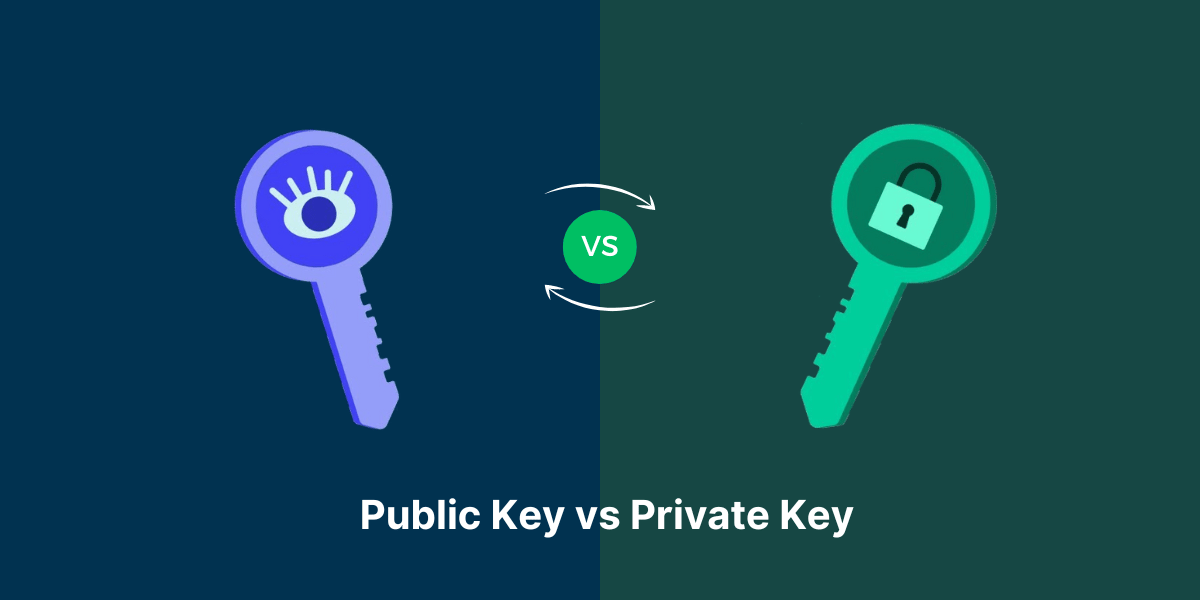
Public Key vs Private Key

Public Key vs Private Key

Introduction to Public Key and Private Key Public key cryptography, also known as asymmetric cryptography, uses a pair of keys to encrypt and decrypt data. The key pair consists of a public key and a private key. Though related, the public and private keys have...

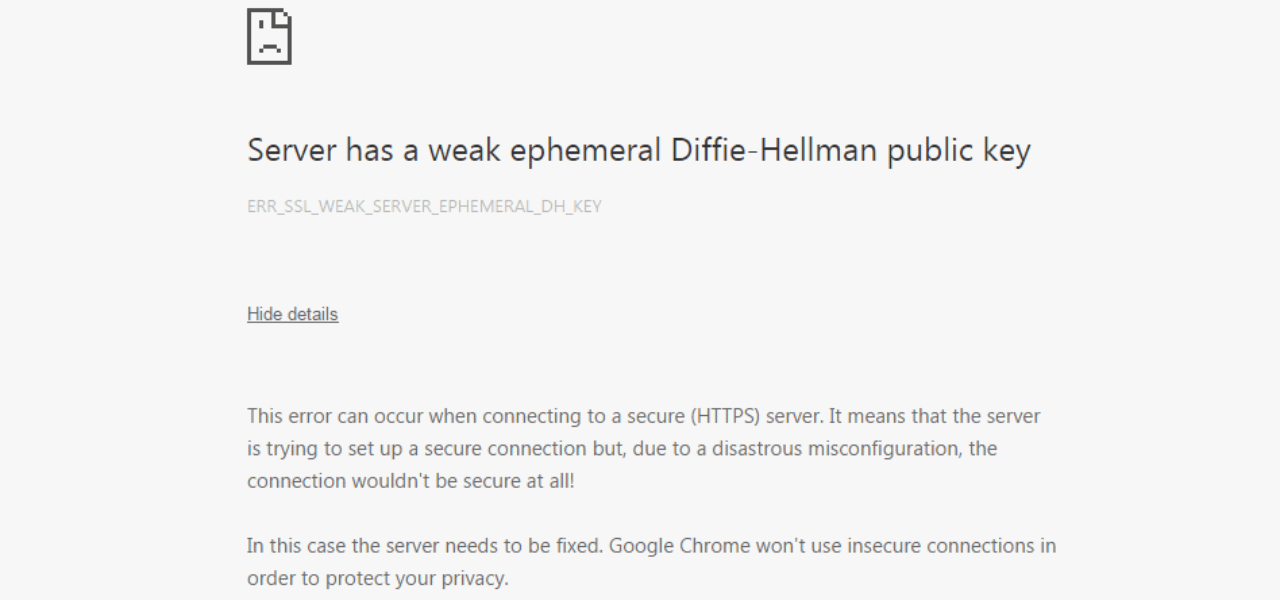
How to Fix ERR_SSL_WEAK_EPHEMERAL_DH_KEY

How to Fix ERR_SSL_WEAK_EPHEMERAL_DH_KEY

What Does ERR_SSL_WEAK_EPHEMERAL_DH_KEY Mean? The ERR_SSL_WEAK_EPHEMERAL_DH_KEY error is a security warning that indicates your browser has detected a weak Diffie-Hellman (DH) key being used during the setup of an encrypted SSL/TLS connection with a website. This...

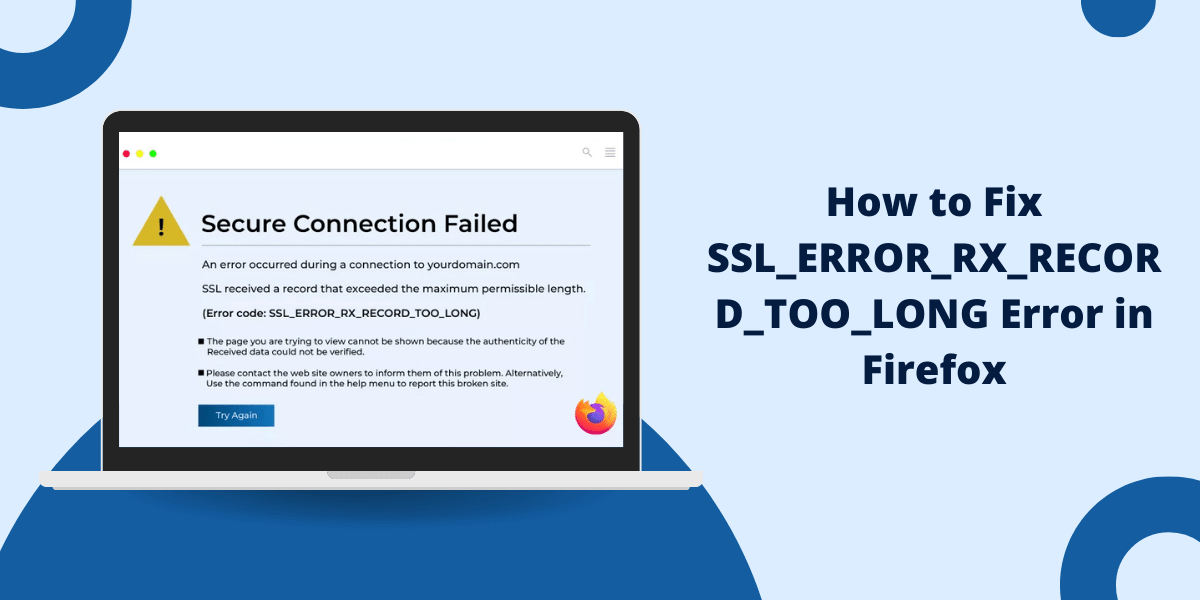
How to Fix the SSL Handshake Failed Error

How to Fix the SSL Handshake Failed Error

What Does SSL Handshake Failed Error Mean? The SSL (Secure Sockets Layer) handshake failed error occurs when your browser is unable to establish a secure connection with a website. This is often caused by misconfigured SSL certificates or other SSL-related issues on...

What is Symmetric Encryption

What is Symmetric Encryption?

Understanding Symmetric Encryption Encryption is a method of scrambling data so that only authorized parties can access it. It has become an essential tool for protecting sensitive information in today's digital world. Symmetric encryption is one of the most basic...

What is an Asymmetric Encryption

What is Asymmetric Encryption: A Beginners Guide

Asymmetric encryption, also known as public-key cryptography, is an essential concept in modern information security. This beginner's guide will introduce asymmetric encryption and how it works. What is Asymmetric Encryption? Asymmetric encryption uses two different...