The Crucial Role of SSL Certificates in Modern Business
In today’s digital-first economy, securing your website is more important than ever. SSL (Secure Sockets Layer) certificates serve as a fundamental building block for online security by encrypting data exchanged between a user’s browser and your website. This encryption ensures sensitive information such as passwords, credit card numbers, and personal details that remain confidential and protected from malicious actors. However, many businesses overlook the vital importance of maintaining robust, up-to-date SSL certificates. Expired or weak SSL certificates can have far-reaching consequences, impacting not only on website security but also on SEO rankings, customer trust, and ultimately revenue.
The digital landscape is evolving rapidly, and cyber threats are becoming increasingly sophisticated. SSL certificates are no longer optional but a necessity for any business operating online, regardless of size or industry. A secure website signals to customers and search engines alike that your business takes security seriously, fostering confidence and credibility. Conversely, neglecting SSL certificate management can expose your website to vulnerabilities, damage your brand reputation, and result in lost opportunities.
SEO Implications of Expired or Weak SSL Certificates
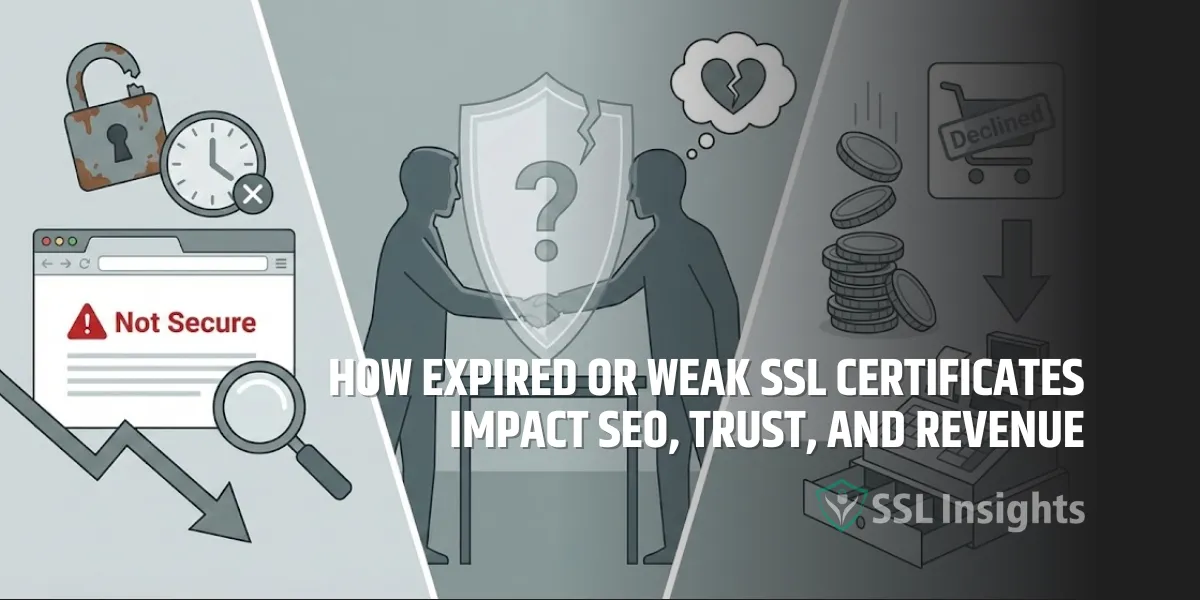
Search engines like Google prioritize websites that provide secure browsing experiences. HTTPS is a confirmed ranking factor, with Google explicitly stating that sites lacking secure certificates may suffer diminished rankings. When an SSL certificate expires or is weak, browsers trigger security warnings such as “Not Secure” alerts, which deter visitors and reduce page traffic. Such warnings can lead to higher bounce rates and lower engagement metrics, both of which negatively influence search engine optimization (SEO) performance.
Research indicates that websites using HTTPS experience a 5% to 10% higher ranking boost compared to non-secure sites. This advantage stems from search engines’ commitment to prioritizing user safety and trust. Moreover, 84% of users abandon a purchase or interaction when they receive a security warning on a website. This user behavior directly affects bounce rates and decreases the likelihood of conversions, further lowering a website’s SEO performance.
For businesses evaluating managed IT services, understanding regional variations can help optimize SSL management strategies. For example, an LA-focused list by Jumpfactor offers insights into trusted providers who can assist in maintaining strong SSL protocols and preventing certificate lapses.
In addition to SEO, expired or weak SSL certificates can impact other critical ranking factors such as site speed and mobile usability. Browser warnings may increase load times or interrupt user interactions, leading to a poorer overall user experience. Given that Google’s algorithm increasingly incorporates user experience signals, SSL certificate health indirectly influences search rankings beyond just the HTTPS ranking boost.
Similarly, expert regional comparison of IT service providers offers valuable data to help businesses benchmark their IT service needs and ensure robust security practices relative to competitors in their geographic area.
Trust and User Experience: The Cornerstones of Customer Loyalty
Trust is paramount in digital interactions. When customers visit a website that displays SSL errors, they immediately question the legitimacy and safety of the site. This hesitation can lead to abandoned shopping carts, decreased form submissions, and lost leads. In fact, a survey conducted by the Baymard Institute found that 18% of online shoppers abandon their cart due to security concerns. Weak SSL certificates not only generate warnings but also fail to assure users that their sensitive information, such as payment details or personal data, is protected, eroding confidence.
The psychological impact of security warnings should not be underestimated. Users associate SSL certificates with trustworthiness, and a missing or expired certificate signals potential risk. This can dissuade first-time visitors from engaging with your brand, while existing customers may reconsider their loyalty. Moreover, browsers are increasingly adopting stricter policies regarding insecure content. Google Chrome, for example, marks all HTTP sites as “Not Secure,” pushing webmasters to prioritize SSL certificates. Failure to comply can impact brand reputation, as users share negative experiences on social media or review platforms, amplifying distrust.
Beyond just warnings, the presence of a valid SSL certificate enables trust indicators such as the padlock icon in browsers. These visual cues reassure visitors that their connection is secure, encouraging longer site visits and repeated interactions. Businesses that invest in SSL certificates often see improved user engagement metrics, which are critical for building lasting customer relationships.
Financial Impact: Revenue Loss from SSL Negligence
Beyond SEO and trust, the direct financial ramifications of expired or weak SSL certificates can be substantial. Websites that experience security warnings often see sharp declines in traffic and conversions. Studies have shown that nearly 70% of customers are unlikely to complete a purchase on a site flagged as insecure. This stark statistic highlights how SSL negligence can translate directly into lost revenue, especially for e-commerce businesses reliant on seamless user experiences.
For e-commerce businesses, this translates into significant lost revenue. Additionally, the risk of data breaches increases without proper SSL protection, potentially leading to costly fines, legal liabilities, and remediation expenses. The average cost of a data breach in 2023 was $4.45 million globally. Beyond financial penalties, data breaches erode customer trust and can have long-lasting reputational damage that affects future sales.
Investing in robust SSL certificates and ensuring timely renewals is therefore a cost-effective strategy to protect revenue streams and sustain business growth. The cost of SSL certificates, including extended validation and wildcard options, is minimal compared to the financial and reputational risks associated with security lapses. Proactive SSL management also reduces the likelihood of costly emergency responses to breaches or customer complaints.
Best Practices for SSL Certificate Management
To mitigate risks associated with SSL certificate expiration or weaknesses, businesses should adopt proactive SSL management practices:
- Automated Renewal Processes: Utilize tools that automatically renew SSL certificates before expiration to avoid downtime and browser warnings. Automation reduces human error and ensures continuous protection.
- Stronger Encryption Standards: Opt for certificates that support modern encryption protocols like TLS 1.3 to enhance security and performance. Older protocols are vulnerable to attacks and may be deprecated by browsers.
- Regular Audits: Conduct periodic security audits to identify and replace weak or compromised certificates. Audits help maintain compliance with industry standards and regulatory requirements.
- Partner with Trusted IT Providers: Work with managed IT service providers who specialize in cybersecurity and certificate management, leveraging their expertise to maintain compliance and performance. Such partnerships can provide 24/7 monitoring and rapid response to potential issues.
Additionally, educating staff about the importance of SSL certificates and security best practices can foster a security-first culture within the organization. Combining technical measures with user awareness maximizes overall website protection.
Securing SEO, Trust, and Revenue Through Robust SSL Practices
Expired or weak SSL certificates pose a multifaceted threat to businesses by undermining SEO rankings, eroding user trust, and causing significant revenue losses. In a competitive digital marketplace, maintaining strong SSL protocols is not just a technical requirement but a strategic imperative.
By understanding the tangible impacts and adopting best practices, companies can safeguard their online presence, strengthen customer relationships, and ensure sustained profitability. Leveraging expert insights and conducting thorough research can empower businesses to make informed decisions in their IT security strategies.
Ultimately, investing in reliable and up-to-date SSL certificates is an investment in your brand’s credibility and long-term success. Ensuring your website remains secure protects not only your customers but also the future of your business.

Priya Mervana
 Verified Web Security Experts

Priya Mervana is working at SSLInsights.com as a web security expert with over 10 years of experience writing about encryption, SSL certificates, and online privacy. She aims to make complex security topics easily understandable for everyday internet users.